Want to give feedback that actually improves performance? Want to keep the positive working relationship intact to? Here's a proven system for delivering feedback that motivates positive change.
Step 1: Focus on Specific Events
Great feedback starts with specific observations, not general impressions.
Focus on actual events and behaviors you've witnessed firsthand. Instead of saying "Your work is sloppy," try:
"I noticed three errors in yesterday's service report."
Specific examples make feedback more actionable and less personal.
Include both the behavior and its impact. Help people understand why the behavior matters. For example:
"When reports are incomplete, we have to spend extra time following up with customers, which delays other service calls."
This connection helps people see why change is important.
Step 2: Perfect Delivery Method
Timing and setting matter as much as content.
Choose a private, quiet space for feedback conversations. Give feedback as close to the event as possible while emotions aren't running high. A quick, private conversation right after a situation is often more effective than waiting for a formal review.
Start with positive observations when possible. This isn't about softening criticism – it's about providing a complete picture of performance. People are more receptive to a suggestion for improvement when they know their strengths are also recognized.
Step 3: Follow-through with Clear Action Steps
End every feedback conversation with clear action steps. Work together to identify specific changes and improvements. Set realistic timelines for implementation. Make sure everyone understands what success looks like moving forward.
Schedule brief follow-up conversations to check progress. These can be quick, informal chats that show you're invested in their success. Recognize and reinforce positive changes when you see them.
Document Key Points
Keep simple records of feedback conversations. Note the date, key points discussed, and agreed-upon actions. This documentation helps track progress and prevents misunderstandings about expectations.
Use these records to identify patterns over time. Are certain issues recurring? Are some approaches to feedback more effective than others? This information helps refine your techniques.
Meeting Notes Protocol
Structure your feedback meetings for success. Start with a clear agenda and time limit. Take brief notes during the conversation and share them afterward with both groups. This ensures everyone remembers the key points and agreed actions the same way.
Most feedback conversations can be effective in 15 minutes or less when well-planned.
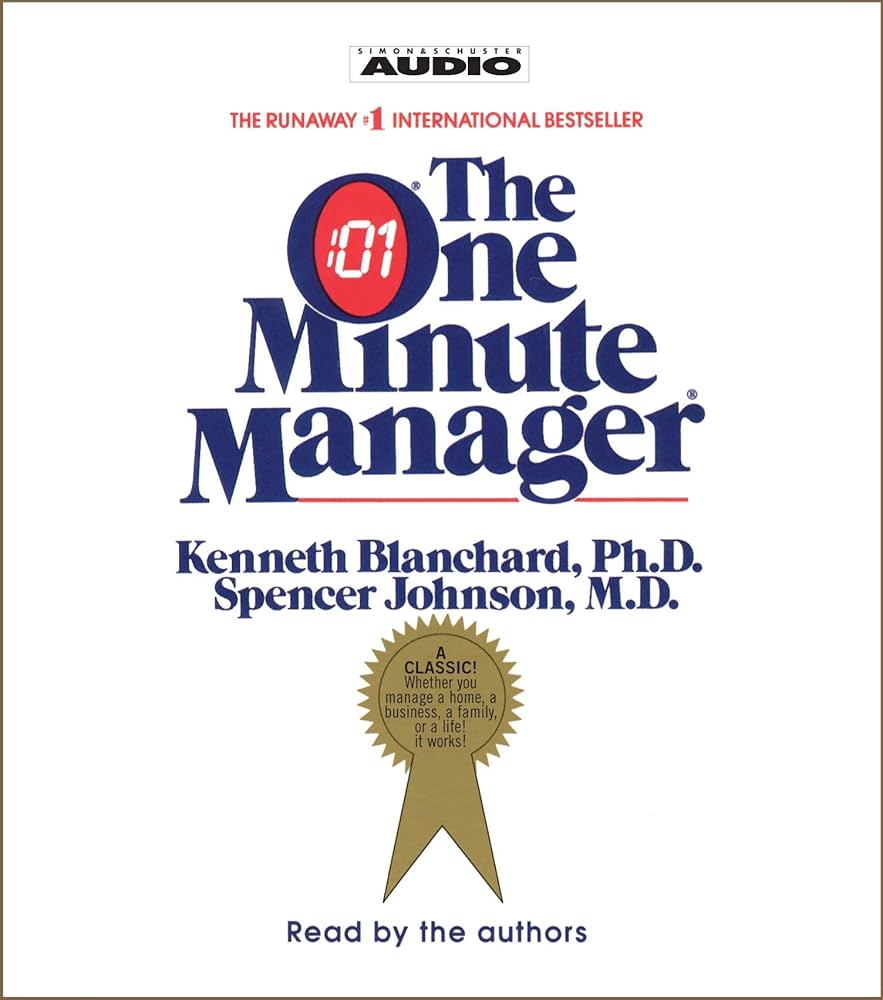
Some even claim they can be shared in a minute or two, like "The One-Minute Manager" book.
Growth Markers
Track improvement after feedback conversations. Look for specific changes in behavior or performance. Celebrate progress and address ongoing challenges promptly.
Use the results to guide future development opportunities. Sometimes feedback reveals training needs or growth opportunities you hadn't considered.
Remember that effective feedback is a skill that improves with practice. Start with these fundamentals and refine your approach based on what works best with your team. The goal is to drive positive change while building stronger working relationships.
Lead With Confidence and Clear Direction